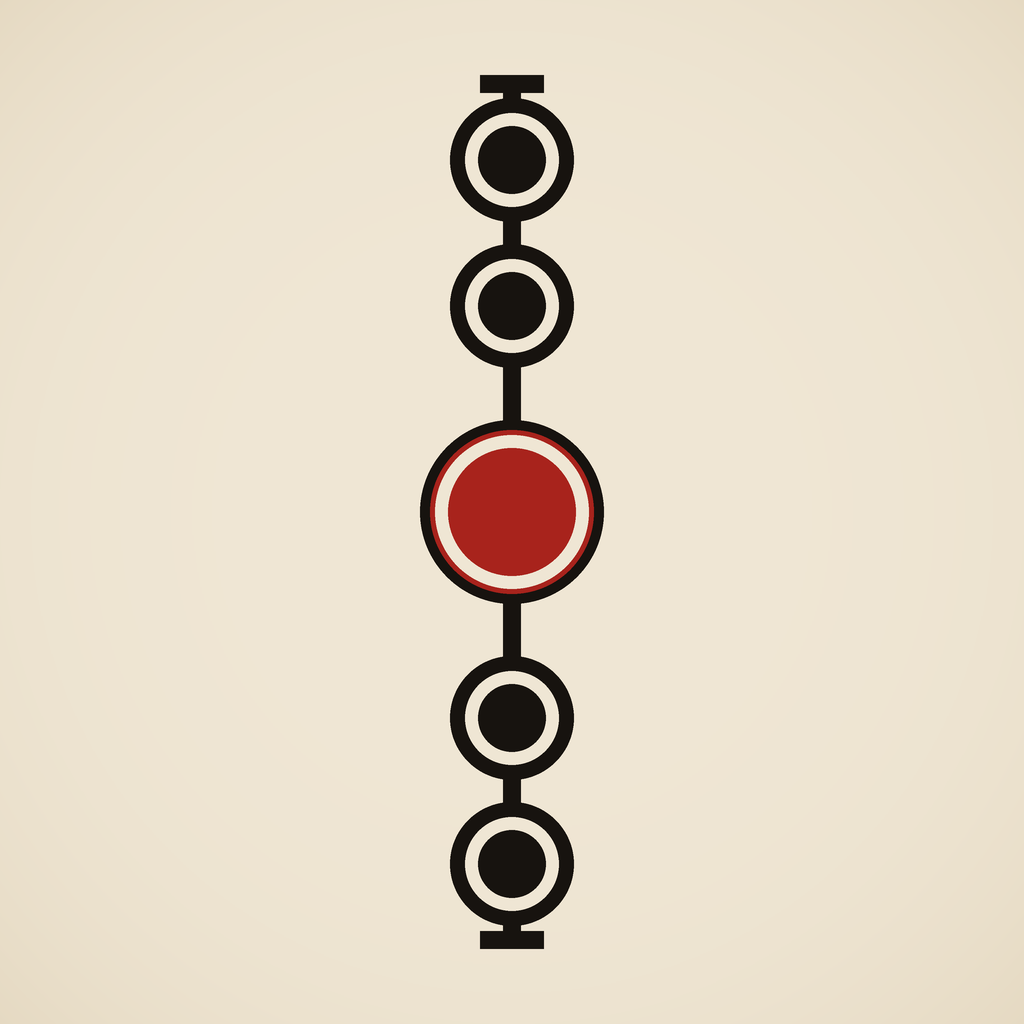
The Catechism summarizes five basic forms of Christian prayer: blessing, petition, intercession, thanksgiving, and praise. These describe the direction or purpose of prayer. One prayer can contain several at once, and the list is not a quota to complete every day.
The source is the Catechism's summary in paragraphs 2644–2649. This is Catholic teaching; Christians in other traditions may organize the language differently even when they practice the same movements.
1. Blessing and adoration
In blessing, the believer responds to the gifts and goodness of God; in adoration, the creature acknowledges God as God. This prayer is not mainly about obtaining something. A suggested practice is to name who God is and receive the fact that prayer begins with God's initiative rather than your performance.
2. Petition
Petition asks for what is needed. Paragraph 2646 highlights forgiveness, God's Kingdom, and genuine needs. Christian petition can be plain: mercy for a wrong, wisdom for a decision, daily necessities, or strength to do good. Asking is not a contract guaranteeing the requested outcome, and prayer should never be marketed as a promise of health, wealth, or control.
3. Intercession
Intercession is petition made for another person. Paragraph 2647 says it extends even to enemies. Keep a short rotating list: family and friends, the Church, public needs, people who suffer, and someone difficult to love. Intercession seeks their good before God; it does not replace practical help when you can give it.
4. Thanksgiving
Thanksgiving receives every joy, need, and event as material that can be brought to God. It is more than positive thinking and does not require pretending harm is good. You can thank God for help, presence, courage, or another person's kindness while still lamenting pain. In an evening examination, thanksgiving offers a truthful starting point before reviewing failures.
5. Praise
Praise gives glory to God because God is God, not only because of a benefit received. It can use psalms, hymns, silence, or one's own words. Praise and thanksgiving overlap, but their emphasis differs: thanksgiving responds to gifts, while praise delights in the giver.
A balanced way to begin
Choose one form that comes naturally and one you often omit. If petition fills all your prayer, add praise or thanksgiving. If you avoid asking for help, make one concrete petition. If prayer becomes self-enclosed, intercede for another. This is suggested practice, not a formula required by the Catechism.
These forms differ from the vocal, meditative, and contemplative expressions. You can voice a petition, meditate in thanksgiving, or remain contemplatively in adoration. Form answers what movement is taking place; expression answers how the prayer is made.
Is lament missing?
The summary does not forbid lament. Biblical lament can include petition, trust, remembrance, and praise, as many psalms show. The categories are a guide, not sealed compartments.
Must prayer always include words?
No. Some forms can be expressed silently. The Catechism also recognizes contemplative prayer, in which words may become sparse.