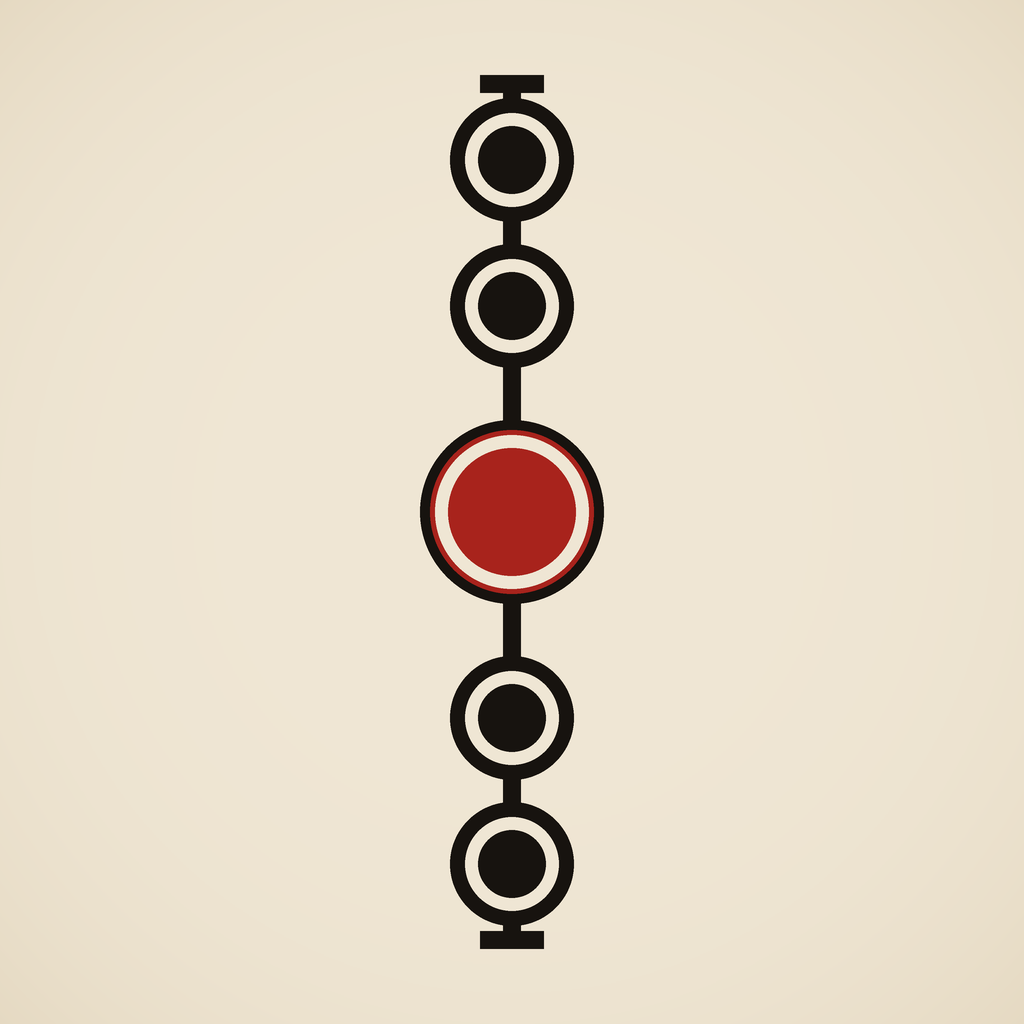
An evening examination is a prayerful review of the day in God's presence. You give thanks, notice where you responded well or poorly, ask mercy, and look toward a concrete next step. It should be honest without becoming relentless self-surveillance. This is suggested practice; it is not a clinical tool and does not replace the Sacrament of Penance.
The Catechism, paragraph 2698, names evening prayer as a traditional daily rhythm. Paragraph 1454 specifically teaches that preparation for Penance should include an examination of conscience in the light of God's Word, especially the moral teaching of the Gospels and apostolic letters. A brief nightly review may help form conscience, but it is distinct from the fuller examination made for confession.
A five-step evening review
- Become present. Set aside the phone, make the Sign of the Cross, and ask for light to see the day truthfully.
- Give thanks. Recall two or three concrete gifts: help received, work completed, beauty noticed, or patience shown. Gratitude keeps the review from becoming only a fault list.
- Walk through the day. Move from morning to evening. Notice decisions, reactions, desires, and missed opportunities. Ask where love of God and neighbor became visible and where it was resisted.
- Ask mercy and help. Name wrong choices plainly, without excuses or exaggerated labels. Express sorrow and ask for grace to repair harm. If grave sin may be involved, seek pastoral guidance and sacramental confession rather than treating a private routine as absolution.
- Choose tomorrow's next step. Make one realistic resolution: apologize, return something, avoid a near occasion, ask advice, or practice a neglected good. Then entrust the night to God.
A short Gospel passage or the Beatitudes can provide a better light than mood alone. The standard is not whether the day felt productive but whether you can bring it truthfully into prayer.
Keep the practice healthy
Limit the review to a set time if you tend to circle repeatedly around the same event. Once you have acknowledged a fault and chosen a response, close the prayer. Persistent guilt, intrusive thoughts, or fear may need support from a priest, qualified clinician, or both; more checking is not always more faithful. No prayer practice should be presented as curing anxiety or other illness.
For balance, the five forms of prayer place thanksgiving and praise beside petition. For the wider daily rhythm, see A Daily Prayer Routine.
Short FAQ
Is an evening examination required every day?
No universal Catholic rule requires this private form every evening. It is a useful suggested practice.
Is it the same as confession?
No. Private reflection neither includes sacramental absolution nor replaces confession. Paragraph 1454 describes examination as preparation for the sacrament.
What if I remember nothing important?
Thank God for the day, notice one ordinary interaction, and close. Prayer does not need manufactured drama.