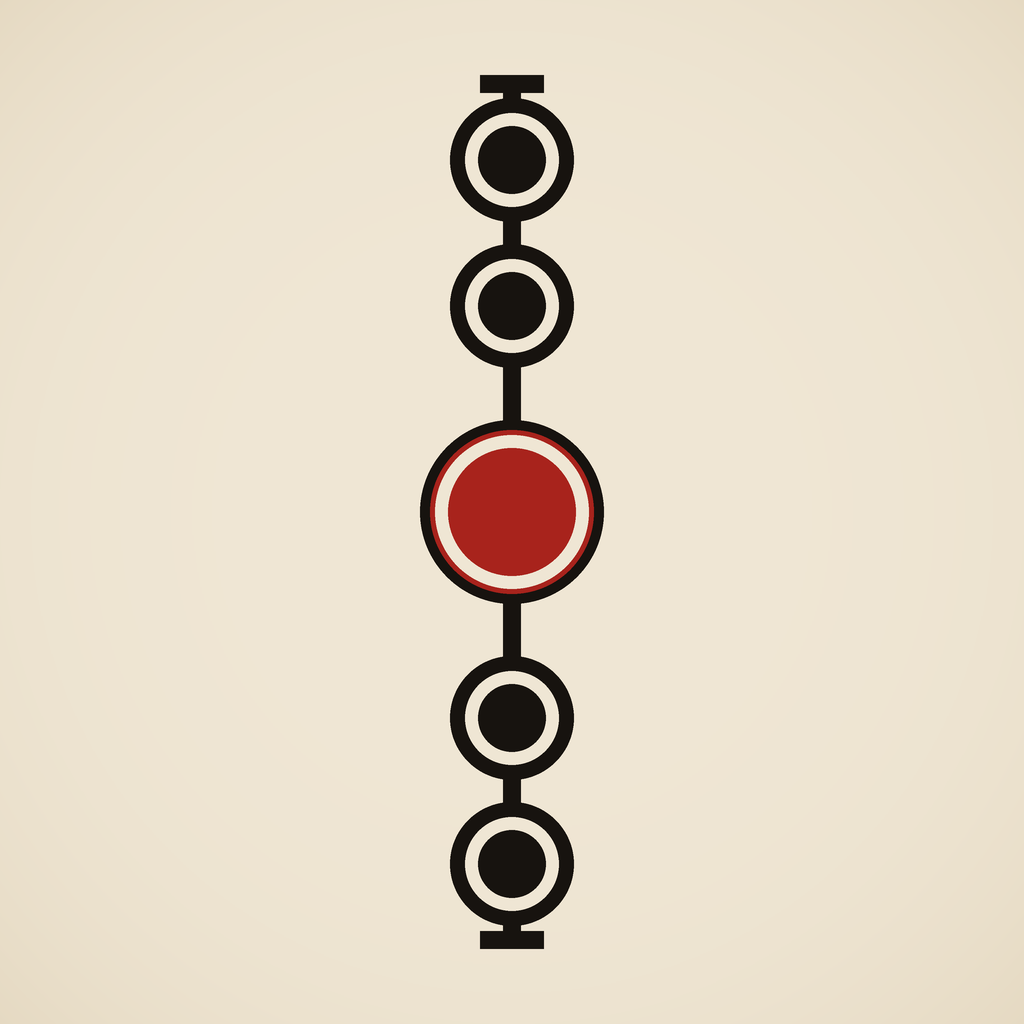
To pray a standard five-decade Rosary, begin at the crucifix, pray the introductory prayers, then move through five mysteries. Each decade includes an Our Father, ten Hail Marys, and a Glory Be while you meditate on one event in the life of Christ. The beads keep count so attention can rest on the mystery rather than arithmetic.
Before you begin
Choose the mysteries for the day or occasion. The customary daily pattern can help, but it is a suggestion rather than an obligation. If the prayer texts are unfamiliar, keep a trustworthy prayer book nearby. You do not need to memorize everything before starting.
The USCCB Rosary instructions provide the sequence below and describe the Rosary as Scripture-based and centered on events in Christ's life.
The sequence
- At the crucifix: make the Sign of the Cross and pray the Apostles' Creed.
- At the first bead: pray the Our Father.
- At the next three beads: pray one Hail Mary at each bead. These are often offered for growth in faith, hope, and charity, although that intention is a devotional custom.
- Before the first decade: pray the Glory Be. Announce the first mystery. A short relevant Scripture passage may be read.
- For the decade: pray the Our Father, then ten Hail Marys, moving one bead at a time, and finish with the Glory Be. Keep the announced mystery in view as the words repeat.
- Repeat: announce and pray the remaining four decades in the same pattern.
- Conclude: after five decades, the USCCB pattern uses the Hail, Holy Queen, a concluding response and prayer, and the Sign of the Cross. Other approved local or family customs may add a brief prayer.
This guide names established prayers without reproducing their texts. Use a prayer book or the free prayer texts in Prayer in Hand when you need the words.
How to meditate while speaking
Repetition and meditation happen together. A suggested practice is to picture the Gospel scene, notice one action of Christ, and carry one simple intention through the decade. If images do not help, quietly attend to the mystery's meaning instead. The Catechism, paragraphs 2707–2708, treats a method as a guide and names the Rosary as a form of prayerful reflection on Christ.
Do not judge the prayer by how vivid it feels. When attention wanders, return to the mystery, the person for whom you are praying, or the words currently being said.
Short FAQ
How long does it take?
Pace varies. Avoid racing to meet a target; a single attentive decade is a reasonable suggested practice when time is short.
Can I pray without beads?
Yes. Beads are a practical counting aid, not a requirement for prayer. You can count on your fingers or follow a printed guide.
Is the Rosary the same as the liturgy?
No. It is a Catholic popular devotion. The USCCB teaches that devotions should support and lead back to the Church's liturgical life, not replace it.